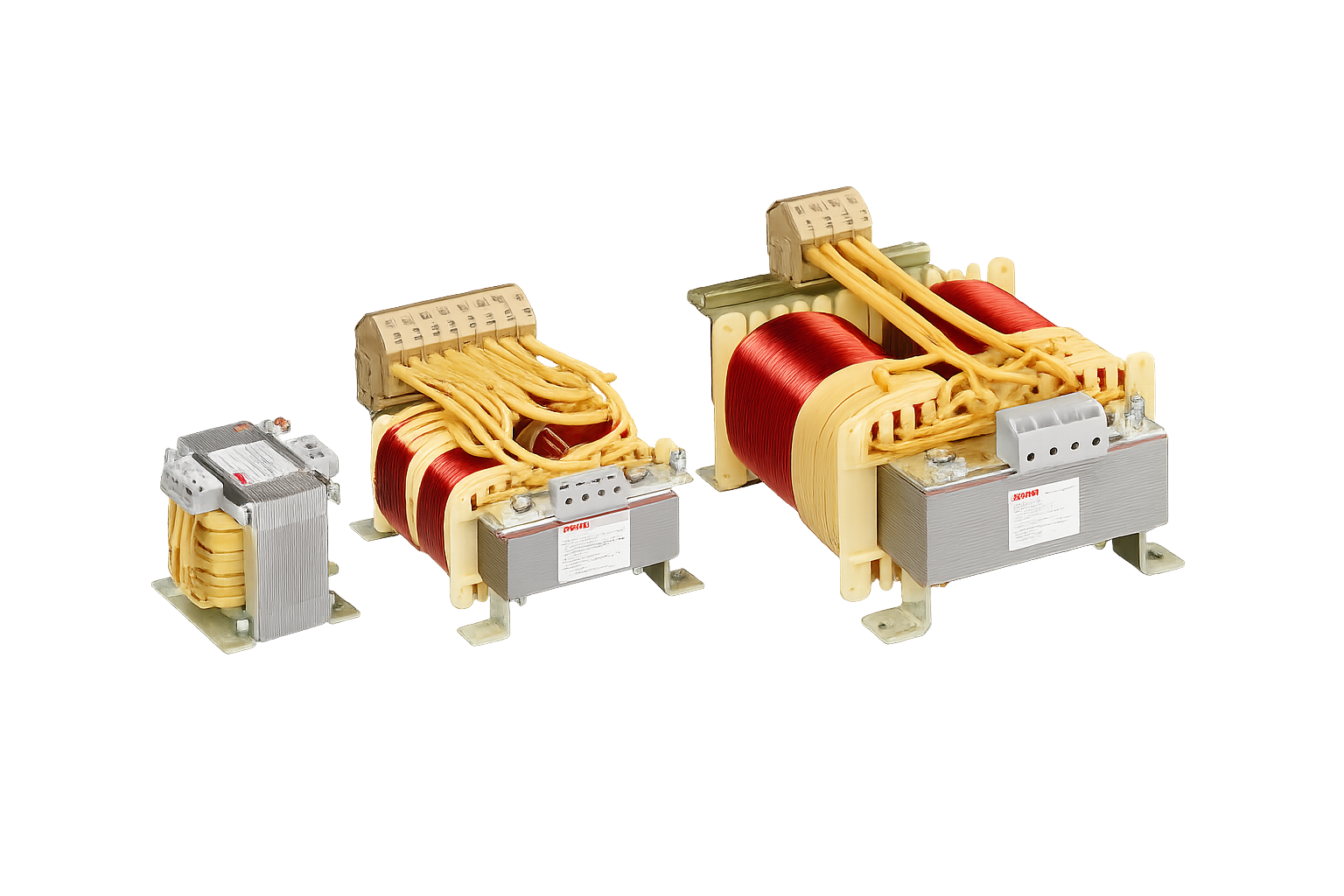
Selecting the right impulse transformer
Choosing the correct impulse transformer is more than a power calculation.
It requires understanding the complete sealing process and the conditions under which the system operates.
Why system conditions matter
The required transformer size and configuration depend on several interacting factors.
Ambient temperature, cooling conditions and maximum sealing temperature all influence how quickly energy must be delivered during heat-up. Insufficient consideration of these parameters can lead to unstable regulation, extended cycle times or reduced component lifetime.
Sealing band and application specifics
The transformer must be matched to the type and geometry of the sealing band, including material, cross-section and total resistance.
Equally important is the relationship between the sealing band length and the actual seal length, as well as the presence of silicone layers or other insulating materials that affect heat transfer.
Speed and duty cycle
Machine speed and duty cycle define how often peak power is required and how much time is available for cooling between impulses.
Higher speeds or short cooling intervals place greater demands on both transformer kVA and thermal design.
A system-level approach
Only when ambient conditions, band type, duty cycle, cooling and sealing geometry are considered together can the optimal transformer be selected.
This ensures fast heat-up, stable control and long-term reliability – without overdimensioning.
Let us help
At Vinther & Strand, we select impulse transformers based on the complete application, not just nominal data.
Contact us to ensure the correct VA, secondary voltage (U₂) and transformer configuration for your sealing process.
Transformer power (VA)
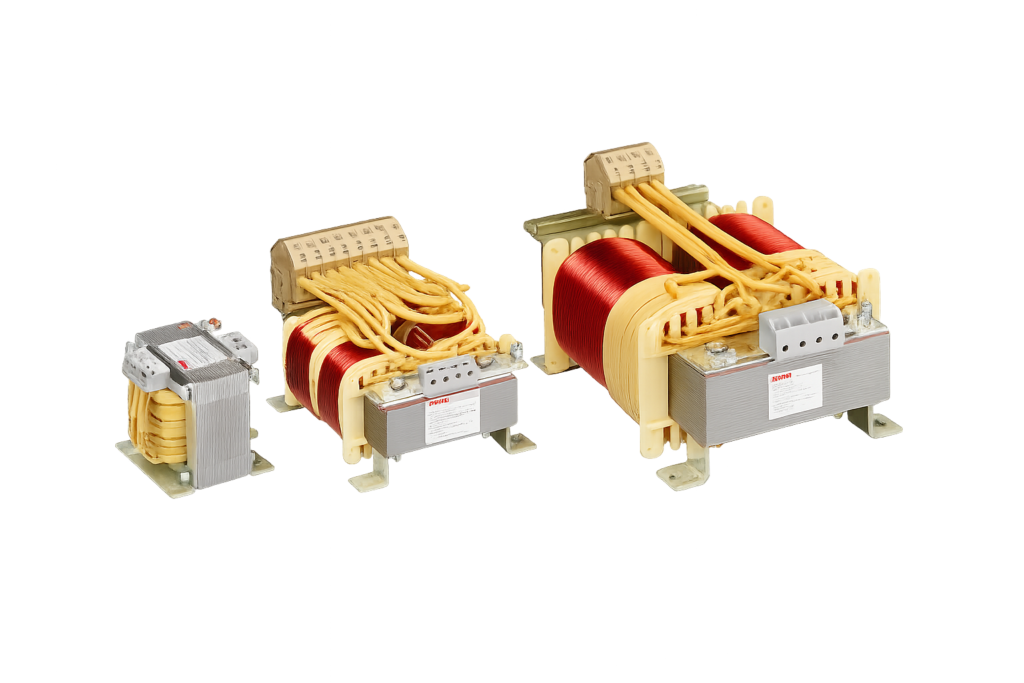
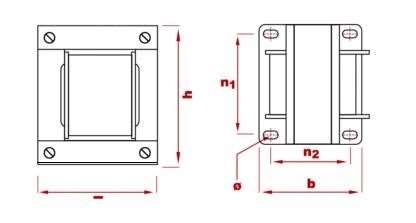
A correctly dimensioned transformer makes the difference. Peak heat-up power defines transformer size – and sets the foundation for precise impulse sealing.
Why it matters
Correct transformer sizing is essential to achieve fast heat-up, stable temperature control and repeatable seal quality.
If the VA is too low, the system cannot deliver the required peak current, resulting in slow heating, unstable regulation and inconsistent seals.
If the VA is too high, unnecessary stress is placed on the transformer, cabling and components, reducing efficiency and lifetime.
The role of secondary voltage (U₂)
The selected secondary voltage must match the resistance and configuration of the sealing band.
Correct U₂ ensures:
Sufficient current during heat-up
Optimal control range for the RESISTRON controller
Even power distribution across the sealing band
The combination of correct VA and correctly selected U₂ ensures that the system operates within its optimal working window – delivering fast response, precise temperature control and long-term reliability.